Planting the Seeds of Fun and Sustainability
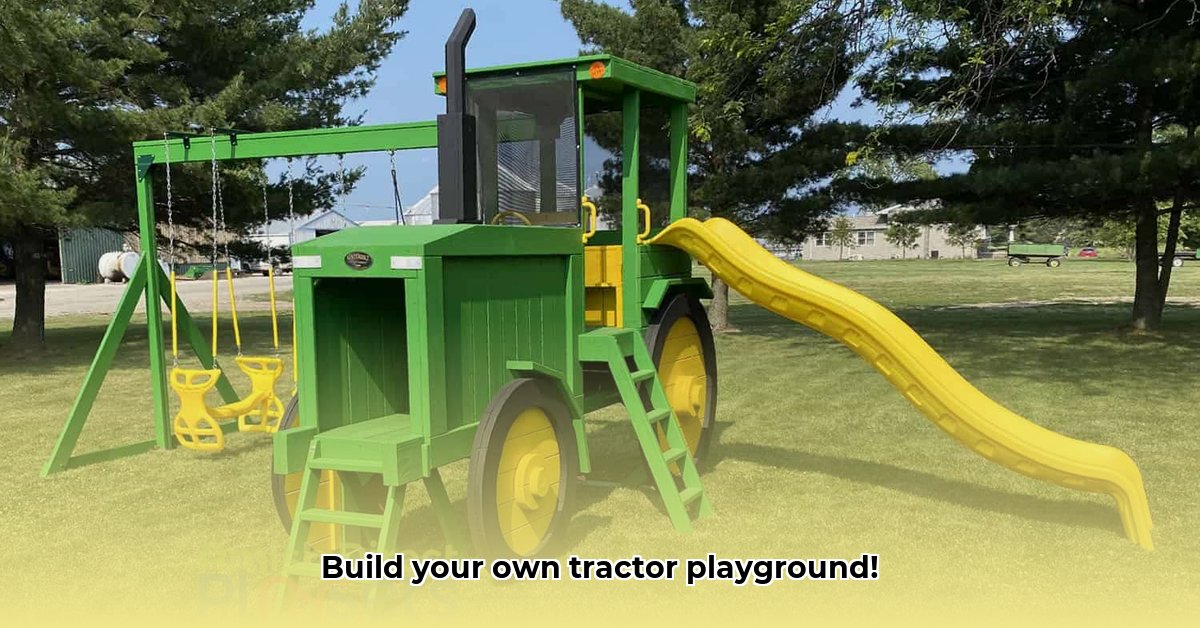
Tractors: symbols of hard work and agricultural might. But what if they could also represent fun, learning, and environmental responsibility? This article explores the exciting concept of tractor playgrounds – imaginative play spaces that teach children about sustainable farming practices. It's a unique blend of childhood fun and crucial environmental education, fostering a generation mindful of where their food comes from and how it's produced. This isn't just about building a playground; it's about cultivating a deeper understanding of our planet and its resources. Wouldn't it be wonderful to see children's playful energy harnessed to promote sustainable practices? For even more fun, check out these tractor coloring pages.
Building Your Tractor Playground: A Step-by-Step Adventure
Forget complex blueprints! Building an eco-friendly tractor playground emphasizes creativity and resourcefulness. Here's a straightforward approach:
Step 1: Dream it Up!
Start by sketching your vision. Consider size, features (a climbing structure shaped like a tractor? a sandbox for planting pretend crops?), and overall style. Keep it simple; the focus is on creating an engaging, safe space. A clear design significantly reduces material waste and simplifies construction.
Step 2: Gathering Your "Treasures"
Repurposing materials is key to building sustainably. Explore these options:
- Recycling Centers: Free pallets (those wooden shipping platforms) are perfect for dismantling and repurposing.
- Construction Sites: Ask if they have leftover wood they're willing to donate.
- Used Furniture: Old furniture can be broken down for usable components. This process is budget-friendly and environmentally sound, reducing landfill waste and giving materials a second life. How much could you save by avoiding buying new materials?
Step 3: Let's Build!
Even basic carpentry skills suffice. Collaboration is key: enlist friends, family, or neighbors. The goal is structural integrity and safety – secure all connections, sand down rough surfaces, and remove any potential hazards. Remember, getting help transforms the project into a fun community-building experience.
Step 4: Adding the Finishing Touches
Let the children participate! Painting the playground provides creative freedom. Bright colors, playful designs, and added details (painted wheels, a steering wheel) enhance realism and engagement. How can we best involve children in the final touches to give them a sense of ownership?
Sustainable Choices: Making a Difference
Building sustainably minimizes environmental impact. Prioritize these actions:
- Reclaimed Materials: Recycled wood is ideal; it's strong, visually appealing, and minimizes deforestation.
- Sustainable Alternatives: If wood is scarce, consider recycled tires, repurposed plastic, or other durable, environmentally friendly materials.
- Local Sourcing: Minimize transportation emissions by acquiring materials from local suppliers.
Environmental Considerations: The table below highlights key environmental impacts and mitigation strategies.
| Factor | Potential Impact | Mitigation Strategies |
|---|---|---|
| Wood Sourcing | Deforestation, habitat loss | Use reclaimed wood; explore sustainably sourced options |
| Transportation | Fuel consumption, emissions | Source locally; use carpooling or alternative transport |
| Construction Waste | Landfill waste | Careful planning to minimize waste; recycling efforts |
| Long-Term Maintenance | Chemical use, material replacement | Biodegradable preservatives; durable material choices |
Making it a Community Effort
Playground building costs vary widely. To make it accessible to all, consider transforming it into a community project. Schools, community centers, and local businesses can pool resources and expertise, fostering collaboration, reducing costs, and building stronger community ties. Think of the positive impact on community cohesion!
Reaping the Rewards: A Brighter Future
A tractor playground is more than a play area; it's an investment in a sustainable future. By connecting children with agriculture and sustainable practices, we cultivate environmental consciousness and a deeper understanding of where food comes from. The long-term benefits extend far beyond the playground itself. What is the most impactful outcome of this type of educational initiative?
Key Takeaways:
- Utilizing recycled and sustainable materials is crucial for an environmentally responsible playground.
- Careful material selection minimizes potential risks like chemical leaching or pest infestations.
- Community involvement enhances the project's sustainability and longevity.
- Integrating educational elements connects play with agricultural concepts.
- Planning for accessibility ensures inclusivity for all children.